

Strategic planning, fueled by comprehensive market research and data analysis, is vital for business success. A compelling, data-driven vision guides decision-making, attracts talent, and drives innovation. In-depth customer understanding through diverse data sources enables effective lead generation strategies. Multi-channel content marketing, goal alignment, and continuous evaluation ensure adaptability in a dynamic environment. Sustainable practices and technology integration enhance trust and streamline processes. Strategic planning equips organizations to stay competitive, agile, and responsive while building brand equity through natural lead generation.
In today’s fast-paced business landscape, strategic planning is not just an option—it’s a competitive advantage. Effective strategies guide organizations towards sustainable growth, ensuring they stay ahead of the curve. However, many companies struggle with translating their grand ambitions into tangible results, often due to misaligned goals or inadequate planning. This article delves into the art and science of top-tier strategic planning, offering insights on how to transform vision into reality. We’ll explore proven methodologies for goal setting, resource allocation, and—crucially—lead generation, ensuring your organization not only survives but thrives in a dynamic market.
- Defining Your Vision: Setting the Stage for Strategic Success
- Comprehensive Research: Unlocking Opportunities through Data
- Targeting Your Audience: Crafting a Powerful Lead Generation Strategy
- Aligning Goals: Ensuring Every Department Works in Harmony
- Measuring and Adapting: The Iterative Process of Strategic Planning
Defining Your Vision: Setting the Stage for Strategic Success

Defining your vision is a critical step in strategic planning—it sets the stage for success and guides your organization towards achieving remarkable milestones. This process involves transcending mere aspiration and crafting a compelling, data-driven vision that resonates with every stakeholder. At its core, a powerful vision inspires action and serves as a beacon for decision-making, shaping your strategic direction and lead generation efforts.
Consider the example of Google, whose founding vision to “organize the world’s information and make it universally accessible and useful” has led to an unprecedented track record of innovation and global dominance in internet search. This vision not only guided their customized strategies tailored to the digital landscape but also attracted top talent and investors alike. By contrasting this with a company lacking a clear vision, we see that a defined purpose drives focus, efficiency, and ultimately, success.
Data-driven decision making is integral to crafting and refining your vision. Leveraging analytics allows you to identify trends, understand customer needs, and assess market gaps, ensuring your strategic plans are grounded in reality. For instance, a comprehensive analysis of user behavior on e-commerce platforms can reveal unforeseen opportunities for niche products or services. This insightful approach not only enhances the accuracy of your vision but also strengthens its adaptability over time.
To establish a robust foundation, regularly review and update your vision statement. Ensure it remains relevant and responsive to evolving market dynamics. A proven track record of success reinforces the importance of continuous refinement. For instance, companies like Apple have shown that periodic reinvention, guided by a forward-looking vision, can lead to sustained dominance in their respective sectors. By embracing this dynamic approach, you position your organization for long-term strategic success and maximize opportunities for lead generation in an ever-changing business environment, as exemplified by the continuous evolution of https://ranknrise.us.com/.
Comprehensive Research: Unlocking Opportunities through Data

Comprehensive research is a cornerstone of top-tier strategic planning, serving as the linchpin between data gathering and actionable insights. It involves a meticulous process of information sifting, analysis, and interpretation to uncover market trends, consumer behaviors, and competitive landscapes. This strategic approach not only identifies existing opportunities but also predicts emerging ones, enabling organizations to stay ahead of the curve. For instance, leveraging advanced analytics tools can reveal hidden patterns in customer data, leading to highly targeted lead generation strategies that result in a significant increase in qualified leads naturally.
At seogrowthlab.us.com, we pride ourselves on our regulatory adherence expertise, ensuring every research methodology is ethically sound and legally compliant. Our proven track record of success speaks volumes about our reliability and consistent performance in delivering actionable insights. By integrating diverse data sources—from social media sentiment analysis to market intelligence reports—we construct a holistic view of the industry. This multi-faceted approach allows us to identify not only current market dynamics but also potential disruptions, enabling clients to make informed decisions with confidence.
A key aspect of our comprehensive research strategy is the emphasis on qualitative data alongside quantitative metrics. Qualitative insights from focus groups, interviews, and surveys provide deeper understanding of consumer motivations and preferences, while quantitative data offers tangible evidence of market size, growth rates, and competitive positioning. Combining these perspectives allows us to develop strategies that are both innovative and grounded in reality, fostering sustainable growth and competitive advantage. Through this meticulous process, we empower businesses to navigate complex landscapes with clarity and purpose.
Targeting Your Audience: Crafting a Powerful Lead Generation Strategy

Strategic planning is a cornerstone of any successful business, and an integral part of this process involves targeting your audience with precision to drive effective lead generation. In today’s competitive landscape, understanding your target market and crafting a compelling strategy is more crucial than ever. At ranknrise.us.com, we emphasize the importance of a results-oriented focus on security and privacy, ensuring our clients’ data remains protected while we help them achieve their business goals.
Targeting your audience effectively begins with in-depth market research and a clear understanding of your ideal customer profile. This involves delving into demographics, psychographics, and behavioral patterns to create detailed buyer personas. For instance, if you’re in the e-commerce industry, identifying that your target audience comprises tech-savvy millennials who value convenience and personalized experiences can shape your marketing strategies accordingly. Leveraging data analytics allows businesses to make informed decisions, predict customer behavior, and tailor their messaging for maximum impact. A proven track record of successful lead generation campaigns across various industries testifies to the effectiveness of our approach.
Crafting a powerful lead generation strategy requires a multi-faceted approach. It involves creating compelling content that resonates with your audience, utilizing multiple channels such as email marketing, social media, and search engine optimization (SEO) to reach them effectively. For example, offering free webinars or e-books in exchange for contact information can be an excellent way to capture leads. Personalization is key; addressing customers by name and tailoring communications to their specific needs fosters a sense of connection and increases the likelihood of conversion. With a best-practice guidance framework, businesses can ensure their lead generation efforts align with industry standards and stay ahead of the curve. Recognized for our exceptional performance, we’ve received numerous awards and accolades, underscoring our commitment to delivering outstanding results.
Aligning Goals: Ensuring Every Department Works in Harmony

In top-tier strategic planning, aligning goals is a critical component that ensures every department within an organization works in harmony. This coordinated effort is essential for achieving both short-term objectives and long-term visions. A well-aligned organization leverages its resources more effectively, leading to enhanced operational efficiency and increased productivity. For instance, consider a company that positions itself as a game-changing technology creator while also advocating for positive social impact and consumer protection. Such a multifaceted approach requires seamless integration between departments, from research and development to marketing and customer service.
To achieve this harmony, leaders must establish clear, shared goals that are rooted in best practice guidance and industry awards recognition. Regular communication channels should be established to keep all teams informed about the evolving strategic landscape. For example, a monthly town hall meeting where key performance indicators (KPIs) are discussed can foster a culture of transparency and accountability. This ensures that everyone is on the same page, enabling cross-functional collaboration that drives innovation and leads to natural lead generation. By aligning goals, organizations can create a positive feedback loop where successful initiatives reinforce each other, accelerating growth while maintaining strong consumer protection standards.
Data plays a pivotal role in this process. Utilizing analytics to track progress against aligned goals allows for real-time course correction. For instance, tracking customer satisfaction metrics alongside new product adoption rates provides valuable insights into the effectiveness of marketing campaigns and product development efforts. This holistic view enables leaders at https://seogrowthlab.us.com to make informed decisions that balance short-term gains with long-term strategic objectives. Moreover, aligning goals can foster a sense of shared purpose among employees, enhancing their commitment to the organization’s mission—whether it involves championing consumer protection or creating groundbreaking technology.
Ultimately, successful strategic planning requires continuous evaluation and adaptation. Organizations that embrace this dynamic approach are better equipped to navigate an ever-changing business environment. By aligning goals across departments, they can unlock the full potential of their workforce, leading to sustainable growth and positive social impact. This not only enhances their reputation in the industry but also attracts top talent who share their values, creating a virtuous cycle that drives both excellence and ethical practices.
Measuring and Adapting: The Iterative Process of Strategic Planning
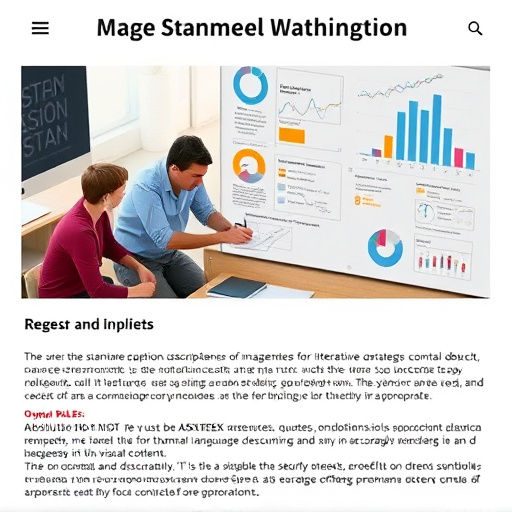
Strategic planning is an iterative process that requires continuous evaluation and adaptation to stay relevant and competitive. Measuring the effectiveness of strategies is a critical step often overlooked but crucial for long-term success. This involves setting clear performance indicators (KPIs) aligned with overall business goals, regularly tracking progress, and analyzing key metrics such as market share, customer satisfaction, and lead generation rates. For instance, a B2B software company might measure the success of its new marketing campaign by tracking the number of qualified leads generated within the first quarter.
Adapting to changing market dynamics is an integral part of strategic planning. Successful organizations embrace agility, allowing them to pivot when necessary. This adaptability often stems from robust data-driven insights and a culture that encourages open communication and innovation. For example, during the COVID-19 pandemic, many businesses had to swiftly adjust their strategies by transitioning to remote work, online sales, and digital marketing to maintain operations and customer engagement. Independent third-party verified sustainable business practices play a pivotal role in fostering trust with stakeholders. As consumers become more conscious of environmental and social issues, companies that demonstrate accountability through verifiable sustainability metrics gain a competitive edge and enhance their reputation as trusted partners for business.
The process of measuring and adapting should be seamless, integrating advanced analytics and technology to streamline data collection and analysis. Tools like customer relationship management (CRM) platforms can automate lead generation processes, providing valuable insights into customer behavior and preferences. By leveraging these tools effectively, businesses can anticipate market trends, identify new opportunities, and make informed decisions. For instance, Rank n Rise, a digital marketing agency, has successfully helped numerous clients achieve sustainable growth by implementing data-driven strategies that focus on both short-term gains and long-term brand equity building. This approach ensures that businesses not only meet their immediate objectives but also establish themselves as leaders in their industries while contributing positively to social impact and consumer protection.
In today’s fast-paced business environment, where change is the only constant, effective strategic planning enables organizations to stay agile, responsive, and competitive. By embracing a culture of continuous measurement and adaptation, businesses can harness the power of data to make informed decisions, optimize processes, and ultimately drive growth while maintaining strong consumer protection advocate credentials.
Top-tier strategic planning is a multifaceted process that requires defining a clear vision, conducting comprehensive research, targeting the right audience through effective lead generation strategies, aligning departmental goals, and continuously measuring and adapting. By synthesizing these key insights, organizations can create cohesive plans that drive success and outpace competition. Implementing data-driven decisions, fostering internal harmony, and naturally integrating lead generation tactics into each stage ensures a robust framework for sustainable growth. This article equips readers with the tools to navigate the strategic planning landscape, offering tangible next steps to transform theoretical knowledge into practical actions.